In today’s digital age, personalized customer interactions are no longer a luxury but a necessity for enterprises looking to stay competitive. Enter the world of personalized ChatGPT applications, where businesses can create tailored chatbots that engage customers in a unique and meaningful way.
The Power of a Personalized ChatGPT App
While generic chatbots have their place, they often fall short when it comes to delivering personalized and relevant experiences to users. This is where a personalized ChatGPT app shines. It allows enterprises to craft chatbots that understand user preferences, history, and context, providing more meaningful and engaging interactions.
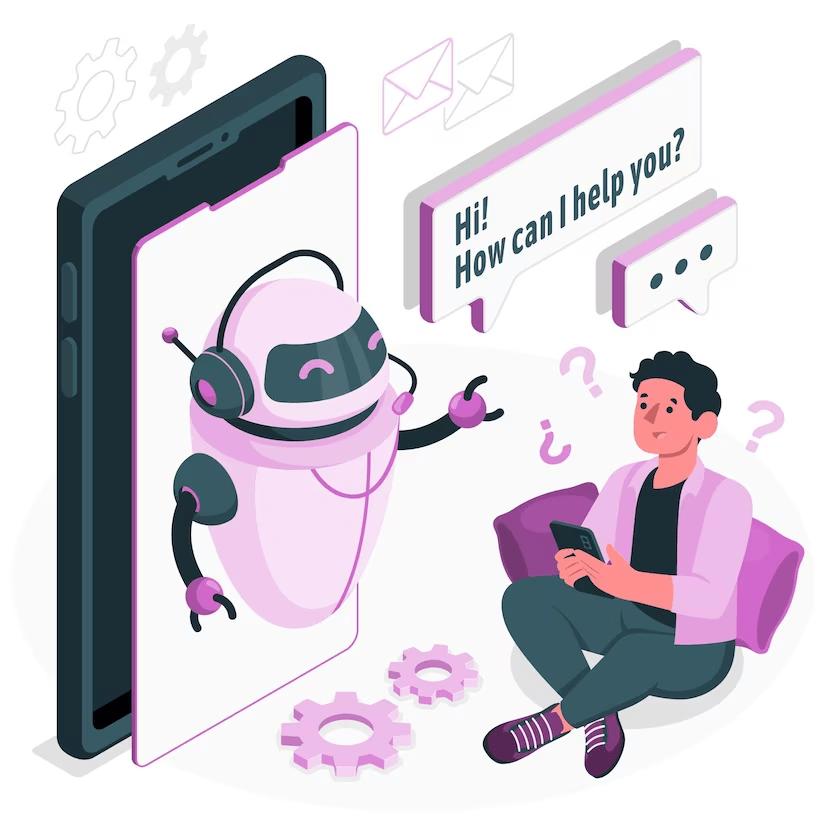
Step 1: Defining Your Objectives
The first step in building a personalized ChatGPT app is to define your objectives. What specific goals do you want to achieve with your chatbot? Are you aiming to enhance customer support, drive sales, or provide personalized product recommendations? Clearly outlining your objectives will guide the development process.
Step 2: Data Collection and Preparation
Personalization relies heavily on data. Gather and preprocess relevant data, such as customer profiles, purchase history, browsing behavior, and more. The more data you have, the better your personalized ChatGPT app can tailor its responses to individual users.
Step 3: Model Selection and Fine-Tuning
Choose the right AI model for your personalized ChatGPT app. GPT-3.5, the technology behind ChatGPT, offers impressive natural language understanding capabilities. Fine-tune the model using your enterprise’s data to ensure it can provide context-aware and personalized responses.
Step 4: Development and Integration
Develop the personalized ChatGPT app using programming languages like Python and integrate it with your existing systems and platforms. This integration ensures that your chatbot can access relevant customer data and provide personalized recommendations or solutions.
Step 5: User Interface Design
User interface design is crucial for a positive user experience. Create an intuitive and visually appealing interface for your personalized ChatGPT app that aligns with your brand’s identity. Implement features like user profiles, history tracking, and personalized greetings to enhance the personalization factor.
Step 6: Testing and Continuous Improvement
Thoroughly test your personalized ChatGPT app to ensure it delivers on its promise of personalization. Collect user feedback and continually refine the model to improve its ability to provide personalized responses. Regular updates and enhancements are vital to maintaining the personalization quality.
Step 7: Deployment and Ongoing Support
Once your personalized ChatGPT app meets your standards, deploy it for use by your customers or employees. Monitor its performance, gather analytics, and provide ongoing support and maintenance to ensure it remains a valuable asset to your organization.
Conclusion
A personalized ChatGPT app is a powerful tool for enterprises looking to take customer interactions to the next level. By following these seven steps, you can create a personalized AI-driven chatbot that not only engages users on a personal level but also boosts customer satisfaction and drives business growth. Embrace the potential of a personalized ChatGPT app and set your enterprise apart in the world of personalized customer engagement.
 Mark Soft